
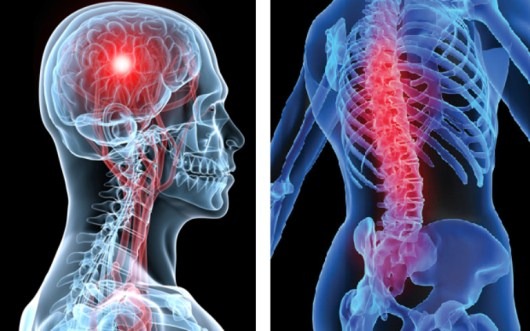
Brain and Neurosurgery
Cerebrovascular and Neurological Diseases
Cerebrovascular diseases are serious and potentially life-threatening conditions that occur as a result of blockage, narrowing, or rupture of the blood vessels supplying the brain. These conditions commonly present as stroke, brain hemorrhage, or cerebral aneurysm. Early diagnosis and timely treatment are crucial in minimizing permanent neurological damage and improving patient outcomes.
Stroke (Ischemic Stroke / Paralysis)
Stroke occurs when blood flow to the brain is interrupted due to a blood clot or vascular narrowing. Common symptoms include speech difficulties, facial asymmetry, sudden weakness in the arms or legs, and loss of coordination.
Early intervention with clot-dissolving medications or interventional procedures can significantly reduce permanent damage and disability.
Cerebral Aneurysm
A cerebral aneurysm is a balloon-like dilation caused by weakness in the wall of a brain artery. If ruptured, it leads to intracranial bleeding and requires emergency medical intervention.
Treatment options include endovascular coil embolization or surgical clipping, depending on the size, location, and risk profile of the aneurysm.
Brain Hemorrhages
Brain hemorrhages may occur due to trauma, high blood pressure, or vascular disorders, resulting in bleeding within the brain tissue or surrounding membranes.
Symptoms may include sudden severe headache, loss of consciousness, and neurological deficits. Diagnosis is made through CT scan or MRI, and surgical intervention may be required.
Carotid Artery Stenosis (Carotid Artery Disease)
Narrowing or blockage of the carotid arteries, which supply blood to the brain, significantly increases the risk of stroke.
Treatment options vary depending on the degree of narrowing and may include medical therapy, carotid stenting, or surgical intervention.
Brain and Spinal Cord Tumors
These are benign or malignant tumors that develop within the central nervous system. Symptoms may include headache, balance disorders, vision loss, and muscle weakness.
Diagnosis is made using MRI or CT imaging, and treatment may involve surgery, radiotherapy, and chemotherapy, depending on the tumor type and stage.
Traumatic Brain Injuries
Traumatic brain injuries occur due to accidents, falls, or blunt force trauma, leading to damage to brain tissue.
Complications such as increased intracranial pressure, bleeding, or cerebral edema may develop, requiring urgent diagnosis, intensive care monitoring, and specialized treatment.
Cervical and Lumbar Disc Herniation
Herniated discs occur when spinal discs protrude and compress nerve roots, causing neck or lower back pain, numbness, tingling, and weakness in the arms or legs.
Treatment options include physical therapy, medication, and surgical intervention, depending on severity.
Parkinson’s Disease and Deep Brain Stimulation (DBS)
In advanced stages of Parkinson’s disease where medication no longer provides sufficient symptom control, Deep Brain Stimulation (DBS)—also known as a brain pacemaker—may be used to improve motor function and quality of life.
Importance of Early Diagnosis and Prevention
Early diagnosis of cerebrovascular and neurological diseases is essential for preserving neurological function and independence.
Effective management of risk factors such as high blood pressure, diabetes, smoking, and high cholesterol plays a key role in preventing these conditions.
At Hayat Sifa Hospital, multidisciplinary teams provide comprehensive diagnostic and treatment services using advanced medical technology and evidence-based approaches to ensure optimal patient care.
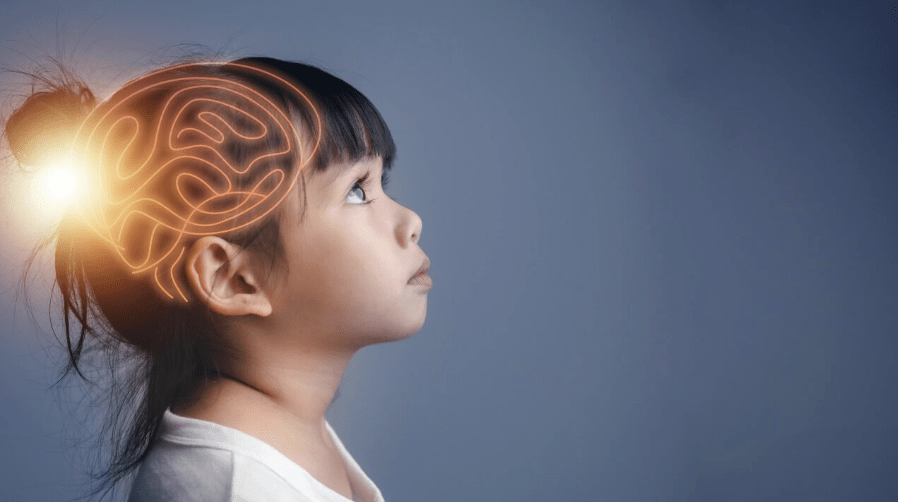
Pediatric Brain and Nervous System Disorders
Brain and nervous system disorders seen during childhood are among the most serious health conditions, as they directly affect a child’s physical, cognitive, and neurological development. While some of these conditions are congenital, others may develop later in life. Early diagnosis and appropriate treatment are essential to protect and support healthy growth and development.
Congenital Brain Hemorrhages
During the neonatal period, bleeding in the brain tissue may occur due to birth trauma, oxygen deprivation, or premature birth. These conditions can lead to delayed neurological development and require close medical monitoring.
Congenital Nervous System Disorders
Conditions such as spina bifida and other neural tube defects develop during the prenatal period. With early surgical intervention, many of these abnormalities can be corrected or their complications minimized.
Hydrocephalus (Excess Fluid in the Brain)
Hydrocephalus occurs when the normal circulation of cerebrospinal fluid is disrupted, leading to fluid accumulation in the brain. Symptoms may include increased head circumference, vomiting, and changes in consciousness.
Treatment usually involves the placement of a shunt system to drain excess fluid and reduce intracranial pressure.
Spinal Deformities
Spinal curvature disorders such as scoliosis and kyphosis may develop due to congenital or developmental causes. Early detection increases the likelihood of successful treatment using non-surgical methods.
Head and Spinal Cord Injuries
Children may experience head and spinal injuries following falls, collisions, or traffic accidents. These injuries can result in brain tissue damage and may require urgent neurosurgical evaluation and treatment.
Spinal Cord and Vascular Disorders
Vascular abnormalities or inflammatory conditions affecting the spinal cord may cause movement limitations and sensory disturbances. Diagnosis is made using MRI and neurophysiological tests.
Cranial Shape Deformities
Cranial deformities may occur due to congenital or developmental factors. When necessary, surgical correction procedures can be performed to restore normal skull shape and protect brain development.
Neural Tube Closure Defects
In conditions such as spina bifida, incomplete closure of the spinal bones may leave nerve tissue exposed. These disorders typically require surgical intervention.
Brain and Spinal Cord Tumors in Children
Tumors of the brain and spinal cord in childhood can negatively affect neurological development if not detected early. Treatment is planned through a multidisciplinary approach, including surgery, chemotherapy, and radiotherapy, based on the tumor type and stage.
Epilepsy and Movement Disorders
Epileptic seizures and movement disorders accompanied by involuntary movements are common in children. These conditions can often be effectively managed with medication. In advanced cases, surgical or neurostimulation treatments may be considered.
At Hayat Sifa Hospital, pediatric patients receive comprehensive care through a multidisciplinary team approach, combining advanced diagnostic methods with individualized treatment plans to support each child’s healthy development.