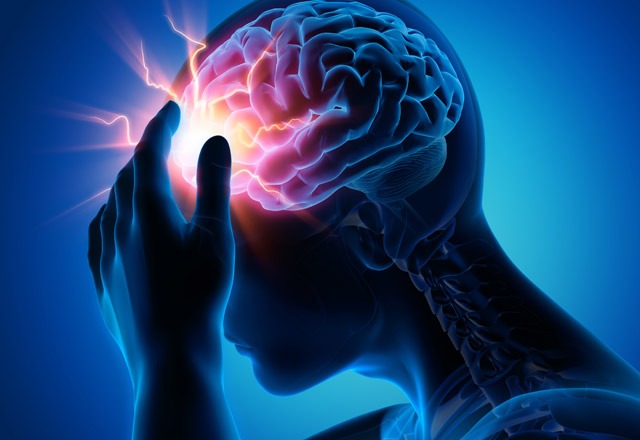
Neurology is the branch of medicine concerned with the diagnosis and treatment of diseases affecting the brain, spinal cord, nerves, and muscles.
At the Neurology Clinic of Hayat Sifa Hospital, our goal is the early diagnosis and effective management of neurological disorders, supported by modern diagnostic methods and a team of experienced specialist physicians.
Main Neurological Conditions Diagnosed and Treated
Epilepsy: A chronic condition characterized by seizures resulting from abnormal electrical activity in the brain.
Stroke: Sudden neurological deficits such as movement, speech, or consciousness disturbances caused by blockage or bleeding of brain vessels.
Headaches (Migraine and Other Types): Recurrent and often severe headaches, frequently accompanied by nausea, sensitivity to light, or sound.
Alzheimer’s Disease and Other Types of Dementia: A group of neurodegenerative disorders marked by progressive memory loss and changes in thinking and behavior.
Parkinson’s Disease: A neurological disorder caused by the reduction of dopamine-producing cells in the brain, leading to tremors, stiffness, and slowed movement.
Multiple Sclerosis (MS): An autoimmune disease in which the immune system attacks nerve fibers, resulting in muscle weakness, balance problems, and sensory disturbances.
Nerve Compression Syndromes (Entrapment Neuropathies): Conditions such as Carpal Tunnel Syndrome, causing numbness, pain, and muscle weakness due to nerve compression.
Muscle Diseases: Congenital or acquired muscle disorders presenting with weakness, pain, or cramps.
Spinal Cord Injuries: Neurological damage due to trauma or disease that may cause loss of movement or sensation.
Neuromuscular Diseases: A group of genetic disorders affecting nerve–muscle interaction, such as Duchenne Muscular Dystrophy.
Our Treatment Approach
In the diagnosis and treatment of neurological disorders, our clinic applies an integrated and individualized approach, combining:
Medication therapies
Physical therapy and rehabilitation programs
Lifestyle modifications and supportive care
Early diagnosis and regular follow-up play a vital role in slowing disease progression and improving patients’ quality of life.
For any symptoms related to the nervous system—such as dizziness, numbness, muscle weakness, tremors, or balance problems—consulting a neurology specialist without delay is of great importance.